Product Description
- Complete emergency bleed control kit designed to help trained first aiders respond quickly to severe injuries and life-threatening bleeding.
- Includes an emergency windlass tourniquet, haemostatic dressings and large trauma dressings to help control serious bleeding while awaiting emergency medical assistance.
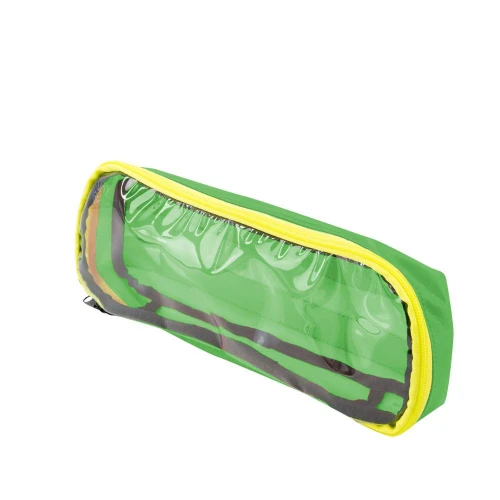
- Compact red medical pouch with clear front panel keeps essential bleeding control equipment organised, visible and easily accessible.
- Clearly marked 'Bleed Kit' for quick identification and rapid deployment during an emergency.
- Versatile and compact design ideal for standalone use, adding to workplace first aid kits, emergency response bags or storing inside compatible external AED cabinets.
Emergency Bleed Control Kit - Life-Threatening Bleeding First Aid Kit
The Emergency Bleed Control Kit is a compact, comprehensive first aid solution specifically designed to help manage severe injuries and life-threatening bleeding emergencies. Containing specialist bleeding control equipment, this practical kit provides trained first aiders and emergency responders with essential supplies to help control serious blood loss while awaiting professional medical assistance.
The kit includes an emergency windlass tourniquet for controlling life-threatening bleeding from a limb, together with two haemostatic dressings and two large trauma pressure dressings to support the management of serious bleeding wounds.
Additional contents include nitrile disposable gloves, clothing cutting shears, a thermal foil blanket and a guidance leaflet, providing important accessories for emergency casualty care.
All equipment is supplied in a compact red medical pouch with a clear front panel, allowing the contents to be easily identified and accessed when every second matters. The pouch is clearly labelled 'Bleed Kit', helping responders quickly locate specialist bleeding control equipment during an emergency.
With its convenient 1.5-litre capacity, the kit is ideal for standalone use or for adding to existing workplace first aid kits, trauma bags and emergency response stations. Its compact size also makes it particularly suitable for storage inside compatible external AED cabinets, allowing organisations to position life-threatening bleeding control equipment alongside publicly accessible defibrillators.
Ideal for schools, colleges, workplaces, construction sites, manufacturing facilities, sports venues, leisure centres, shopping centres, transport hubs and public buildings, this emergency bleed kit provides a practical way to strengthen first aid preparedness in environments where serious injuries or major incidents may occur.
Bleed Control Kit Contents
- 1 x Emergency Windlass Tourniquet
- 1 x Permanent Marker
- 2 x Haemostatic Dressings - 10 x 10cm
- 2 x Large Trauma Dressings - 15 x 18cm (6 inch)
- 2 x Pairs of Nitrile Disposable Gloves
- 1 x Thermal Foil Blanket
- 1 x Clothing Cutting Shears
- 1 x Guidance Leaflet
- 1 x Red Medical Pouch with Clear Front, Marked 'Bleed Kit'
Product Specifications
- Product Type: Emergency Bleed Control Kit / Severe Bleeding First Aid Kit
- Primary Application: Life-threatening bleeding control and emergency trauma first aid
- Container: Compact red medical pouch with clear front panel
- Pouch Marking: Bleed Kit
- Dimensions: 22 x 11 x 10cm
- Capacity: 1.5 Litres
- Storage Options: Standalone use, workplace first aid kits, emergency response bags and internal/external AED cabinets
- Suitable For: Workplaces, schools, sports facilities, public venues and emergency response teams
The Emergency Bleed Control Kit combines essential specialist trauma equipment in one compact, highly visible pouch. Whether positioned alongside an AED, incorporated into a workplace first aid station or carried as part of an emergency response kit, it provides vital equipment for helping trained responders manage life-threatening bleeding until professional medical assistance arrives.
Important: Emergency tourniquets and haemostatic dressings should be used by personnel with appropriate training. Specialist bleeding control equipment should be selected according to the risks identified in a workplace first aid needs assessment.